
Have you ever heard someone say, “This slot is due for a jackpot!”? Maybe you’ve even thought it yourself, as the idea that a machine is “ready” to pay out after a long dry spell is a common belief. But is it true?
The reality is that online slots operate on Random Number Generators (RNGs). These are responsible for ensuring that every spin is independent. Let’s break down why “due” jackpots are a myth, and why believing in them can hurt your bankroll at 22Bet login.
How Online Slots Really Work
The Role of RNGs
Every modern slot online uses an RNG (Random Number Generator). This is a program that constantly produces random numbers… even when no one is playing. When you “spin,” the system picks a number that decides your outcome, and these are completely random, so each turn is independent, and past actions don’t influence future ones.
Humans love patterns. If a machine hasn’t paid out in a while, people assume it’s overdue. This is called the Gambler’s Fallacy, the mistaken belief that past events affect future randomness, but odds reset with every whirl.
Return to Player (RTP) vs. ‘Hot’ or ‘Cold’ Machines
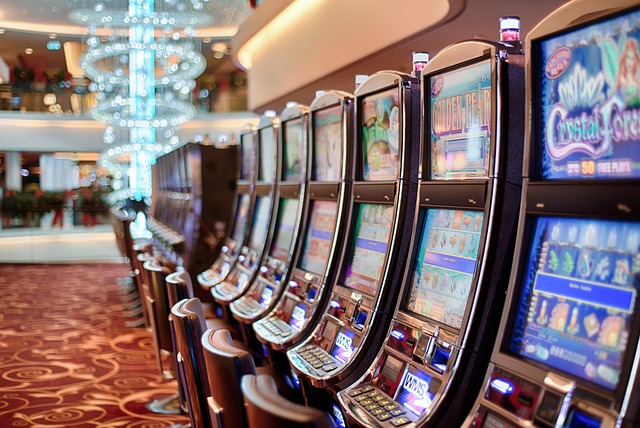
Slots have a Return to Player (RTP) percentage, which is the average amount they pay back over time. A 96% RTP means the returns are $96 for every $100 wagered, in the long run.
But RTP doesn’t mean:
- A machine is “due” after losses.
- A “hot” machine will keep paying.
- A “cold” machine is about to hit.
Payouts are random and unpredictable.
Progressive Jackpots: A Different (But Still Random) Beast
Some slots have progressive jackpots that grow over time. These do have to hit eventually, but:
- The timing is still random.
- The prize could hit $10,000 or $10 million… no one knows.
The Psychology Behind the Myth
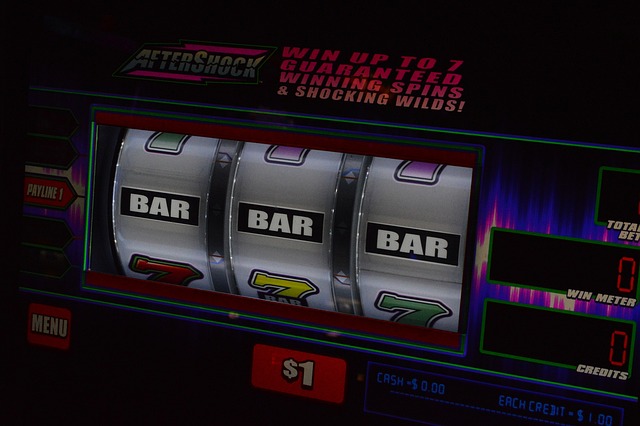
It is wired into our brains to find patterns, even in places where it is not necessary, which is why the concept of a jackpot being due feels so real. Other cognitive biases, such as the Gambler’s Fallacy and Illusion of Control, cause individuals to think that certain things can be predicted or somehow controlled.
After losing several times, someone might think that just because they spent a lot of money, everything has to pay off. Yet each outcome is as whimsical as a coin toss, and getting tails ten times does not increase the probability of getting it again the eleventh time.
Game developers know this, and they exploit it by increasing interaction with visual cues or bonus animations, which convey a feeling of anticipation.
How Casinos Prevent Manipulation
Some visitors believe that casinos are capable of manipulating slots to dictate the timing of when jackpots occur, but licensed casinos and game providers are highly regulated to maintain integrity. They are audited by independent testing companies, such as eCOGRA, iTech Labs, and GLI, to ensure that all is indeed random and payout rates are accurate.
Even crypto casinos are increasingly integrating provably fair technology to enable their users to check randomness, and even slots in brick-and-mortar casinos are heavily policed. Even though the myths remain, the truth is that all legal machines use certified RNGs with predetermined probabilities.